
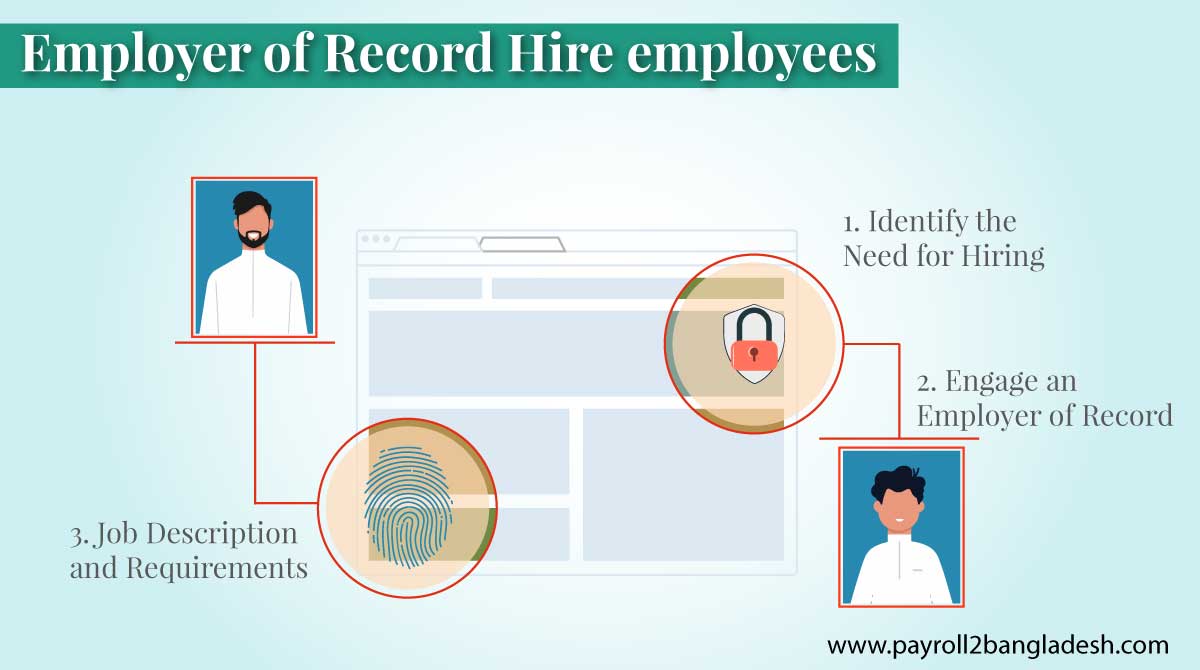
An Employer of Record (EOR) is a service provider that hires and manages employees on behalf of another company, so Employer of Record hiring removes the need to open a local entity abroad. EORs typically run a streamlined hiring process on the client company’s behalf.
Hiring employees through an EOR is relatively easy compared with setting up a new entity in a foreign country or navigating complex local labor laws and regulations independently. Because EORs are experienced in recruitment, they can expedite the process and help companies fill vacancies more quickly. EORs also take on the legal employer responsibilities, which mitigates the risks associated with hiring and managing employees in foreign jurisdictions.
EOR arrangements cover flexible employment as well. Companies can hire employees for short-term or project-based work without the long-term commitments associated with traditional employment.
Due diligence still matters. Companies should choose a reputable EOR with a strong track record and expertise in the regions where they wish to hire employees.
How does Employer of Record hiring work, step by step?
Employer of Record hiring follows five stages: the company identifies the roles it needs, engages an EOR, hands over job descriptions and requirements, lets the EOR source and select candidates, and issues employment agreements to the people selected. Compliance with labor laws, payroll, benefits, and other HR functions sits with the EOR throughout.
- Identify the need for hiring. The company determines the specific roles and positions that need to be filled within the organization, based on business growth, expansion, or the replacement of departing employees.
- Engage an Employer of Record. Once the positions are identified, the company partners with an EOR — either a specialized EOR service provider or a professional employer organization (PEO) that handles employment-related tasks on behalf of the company.
- Supply job descriptions and requirements. The employer provides the EOR with detailed job descriptions, qualifications, and specific requirements for each position it wants to fill.
- Source and select candidates. The Employer of Record manages the recruitment process, including advertising job openings, sourcing candidates, screening resumes, conducting interviews, and shortlisting candidates.
- Issue the employment agreement. Selected candidates receive an employment agreement outlining the terms and conditions of their employment, such as salary, benefits, working hours, and other relevant policies.
The company maintains a working relationship with the Employer of Record throughout the process, which supports effective communication and a seamless HR experience for its employees. Outsourcing HR responsibilities to a specialized partner allows the company to focus on its core business activities.
What are the 7 advantages of hiring an Employer of Record?
Companies gain seven advantages from an EOR: legal compliance, a reduced administrative burden, faster market entry, access to HR expertise, scalability and flexibility, employee benefits and support, and risk mitigation. Each advantage matters most to businesses expanding their operations or streamlining HR processes.
- Legal compliance. Compliance with labor laws and regulations is complex and time-consuming. EORs are well-versed in local, national, and international employment laws and keep HR practices, contracts, and payroll processes compliant, helping companies avoid legal risks and potential penalties.
- Reduced administrative burden. HR tasks, payroll, benefits, and employment-related paperwork can overwhelm a company expanding into new markets. Outsourcing these functions to an EOR lets the business focus on core activities and saves administrative time and effort.
- Faster market entry. Setting up legal entities and navigating local employment regulations is time-consuming and costly. An EOR already has a legal presence in the target market, allowing a quicker and smoother market entry.
- Access to expertise. Employer of Record services specialize in HR and employment matters. Their extensive knowledge and experience covers employment contracts, benefits, taxes, and other critical HR functions.
- Scalability and flexibility. Workforce demand fluctuates. An EOR lets companies quickly add or reduce employees without the burden of hiring and firing, adapting to changing market conditions more efficiently.
- Employee benefits and support. EORs often provide comprehensive employee benefit packages, including health insurance, retirement plans, and other perks. EORs also offer employee support services such as HR assistance and access to resources, improving satisfaction and retention.
- Risk mitigation. Employee lawsuits, tax liabilities, and compliance issues are significant challenges for companies. Engaging an EOR transfers some of these risks to the service provider, which assumes legal responsibility for employment matters.
An Employer of Record can streamline HR operations, enhance compliance, and provide a cost-effective solution for companies seeking to expand their workforce, enter new markets, or simplify their HR processes.
Why is an Employer of Record essential for entering a new country?
An EOR becomes essential when a company expands operations into a country or region where it has no legal entity. Six factors drive that: legal compliance, time and cost savings, quick market entry, payroll and benefits administration, flexibility and scalability, and international expertise built across countries and industries.
- Legal compliance. Operating in a new country involves navigating complex labor laws, tax regulations, and employment requirements. An EOR keeps the company compliant with all the local laws and regulations related to employment, payroll, benefits, and taxes.
- Time and cost savings. Setting up and managing a legal entity in a foreign country is time-consuming and costly. An EOR already has an established presence in the target country, so companies bypass entity setup and stay focused on core business activities.
- Quick market entry. Hiring through an EOR allows companies to enter new markets and start operations rapidly. Speed is crucial for businesses that want to seize market opportunities or test new markets without delay.
- Payroll and benefits administration. EORs handle payroll processing, employee benefits, and other HR administrative tasks, relieving the company of the burden of managing these functions in a foreign jurisdiction.
- Flexibility and scalability. An EOR offers the flexibility to adapt workforce size to business needs, and allows companies to engage employees for short-term projects or seasonal work without the long-term commitment of traditional employment.
- International expertise. EORs have experience working across different countries and industries. Their knowledge of global employment practices and local customs is valuable when entering new markets.
An Employer of Record provides companies with a reliable and compliant solution for expanding their global presence, mitigates legal risks, saves time and costs, and enables efficient workforce management.
What to check before committing to Employer of Record hiring
Employer of Record hiring is a strategic and advantageous move for companies seeking to expand their operations into new countries or regions, and the choice of provider decides the outcome. Businesses should choose a reputable EOR with a proven track record to fully reap the benefits and ensure a smooth and successful international expansion.
Reliability counts as much as reach. An EOR provides companies with a reliable and compliant solution for global expansion, enabling them to concentrate on growth and success in new markets.
Each country may have its own specific regulations, so proper handling of employment-related matters and compliance with local laws depends on the provider. Partnering with an experienced EOR that has a global presence is beneficial for companies operating internationally.
Frequently Asked Questions About Employer of Record Hiring
Does the Employer of Record become the legal employer?
Yes. An EOR takes on the legal employer responsibilities, which mitigates the risks associated with hiring and managing employees in foreign jurisdictions. Engaging an EOR transfers some employment risk to the service provider, which assumes legal responsibility for employment matters while the client company focuses on its core business activities.
Who runs recruitment when a company hires through an EOR?
The Employer of Record manages the recruitment process, including advertising job openings, sourcing candidates, screening resumes, conducting interviews, and shortlisting candidates. Before sourcing begins, the employer provides the EOR with detailed job descriptions, qualifications, and the specific requirements for each position it wants to fill.
Can an EOR hire employees for short-term or project-based work?
Yes. EORs offer flexible employment solutions that allow companies to hire employees for short-term, project-based, or seasonal work without the long-term commitments associated with traditional employment. Businesses experiencing fluctuations in workforce demand can add or reduce employees without carrying the full burden of hiring and firing.
How should a company choose an Employer of Record?
Conduct due diligence first. A reputable EOR should have a strong track record and demonstrated expertise in the regions where the company wishes to hire employees. Because each country may have its own specific regulations, an established presence in the target market is the decisive test of a provider’s fit.