

Payroll services in Bangladesh handle salary processing, tax deductions, statutory filings, payslips and payroll reporting for companies that do not want to run payroll internally. Payroll in 2026 is no longer just about calculating salaries — it has become a core business function that directly affects compliance, employee satisfaction, operational efficiency and long-term growth.
Managing payroll internally in Bangladesh has become increasingly complex, driven by evolving tax laws, workforce diversification, digital transformation and higher expectations for data security. Payroll services offer a structured, compliant and technology-driven alternative that reduces administrative burden while improving accuracy and transparency.
Organizations from startups to multinational enterprises now rely on professional payroll service providers to stay competitive, compliant and scalable.
How does payroll add value to a business?
Payroll services add measurable value by turning payroll from a manual, error-prone process into a streamlined and reliable system. Businesses that handle payroll professionally experience fewer disputes, better financial planning and stronger employee trust. In fast-growing companies, payroll accuracy directly affects morale, productivity and employer branding.
Outsourcing payroll removes the burden of calculations, documentation, compliance tracking and reporting, allowing leadership to focus on strategy and growth rather than administration.
Core value areas of payroll services
- Accurate salary and wage processing
- Timely tax deductions and statutory payments
- Automated benefits and allowance management
- Transparent payslips and employee records
- Reliable payroll reporting and forecasting
Companies using outsourced payroll report 34% fewer payroll errors and 41% faster payroll processing cycles.
Why has payroll become a business-critical function?
Hybrid work models, stricter compliance standards and increasing employee expectations have made payroll management more demanding than ever. Businesses that fail to modernize payroll systems face financial penalties, employee dissatisfaction and operational inefficiencies. Payroll today must support flexibility, compliance, security and scalability at the same time.
Key business realities driving payroll transformation
- Remote and hybrid workforce expansion
- Frequent changes in tax and labor regulations
- Increased focus on data privacy and confidentiality
- Cost pressure on SMEs and mid-sized companies
Those four pressures make professional payroll services essential rather than optional.
Case study insight: payroll services market growth
Organizations worldwide have begun formalizing payroll strategies to reduce risk and improve compliance. Many companies previously relied on ad-hoc or manual payroll systems, which increased exposure to errors and penalties. Industry surveys indicate a strong shift toward managed payroll solutions, especially among growing SMEs and multinational firms operating in emerging markets like Bangladesh.
Global payroll strategy adoption
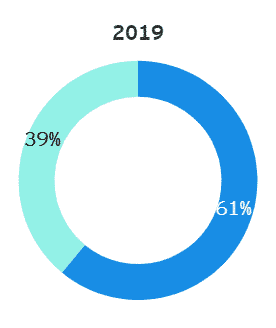
- 2019: 61% of companies had a defined payroll strategy
- 2021: 67% adoption rate
- 2026 (projected): 78% adoption rate
The trend reflects a growing understanding that payroll efficiency directly supports operational stability and business growth.
The “Online Payroll Services Market” is expected to grow steadily between 2021 and 2026. It includes the most crucial components of the world’s biggest demand for payroll apps.
Formalized payroll strategy: why it matters
A formal payroll strategy ensures consistency, transparency and compliance across the organization. Without a documented payroll framework, companies are more vulnerable to salary disputes, tax errors and audit failures. Payroll formalization turns payroll into a controlled business process rather than a recurring operational risk.
Benefits of a formal payroll strategy
- Standardized payroll workflows
- Predictable payment cycles
- Audit-ready documentation
- Reduced legal and compliance exposure
- Improved financial planning accuracy
8 reasons to use payroll services in Bangladesh
Payroll outsourcing is not just about convenience — it is about creating a stable operational foundation. Organizations in Bangladesh face regulatory updates, workforce diversity and rapid digital adoption, and payroll services help businesses navigate those challenges with confidence and control.
1. Cost optimization and budget control
Payroll outsourcing significantly reduces the cost of maintaining internal payroll teams, software licenses and compliance consultants, and businesses gain predictable pricing while eliminating hidden operational expenses. Many small business owners pay accountants a great deal to run payroll for them, which a payroll service replaces with a more cost-effective arrangement.
- Reduces HR and finance overhead
- Eliminates payroll software investment
- Lowers compliance consultancy costs
2. Guaranteed tax compliance
Tax regulations in Bangladesh are complex and subject to frequent updates, and payroll service providers monitor those changes continuously to ensure accurate deductions and timely filings. Processing payroll yourself against constantly varying tax levels risks repeated errors, because compliance means filing on time, staying current on changing payroll tax rates, and completing and submitting every document correctly.
- Accurate income tax calculation
- Timely statutory submissions
- Reduced risk of penalties and audits
3. A more organized and productive workplace
Payroll outsourcing removes paperwork, manual calculations and repetitive administrative tasks, and employees receive accurate salaries on time, which improves trust and workplace satisfaction. A well-organized work environment frees attention and promotes efficiency, and salary management no longer ends with documentation.
- Eliminates payroll confusion
- Improves employee morale
- Reduces internal disputes
4. Time and attendance system integration
Modern payroll systems integrate seamlessly with biometric devices, mobile apps and attendance software, which ensures accurate overtime, leave and shift calculations.
- Automated timesheets
- Accurate overtime computation
- Reduced attendance disputes
5. Seamless HR service integration
The most common concern businesses raise about payroll software is that it will clash with existing HR software. Payroll systems in fact integrate smoothly with existing HR platforms, creating a unified workforce management ecosystem.
- HRIS compatibility
- Centralized employee data
- Better reporting accuracy
6. Payroll access from anywhere
Cloud-based payroll platforms allow managers to approve payroll, access reports and resolve issues remotely, which suits distributed leadership teams. An online payroll system reduces the time spent handling payrolls and responding to employee requests, and some solutions include tablet and smartphone apps, so payroll processing can happen during a commute or outside office hours.
- Mobile and cloud access
- Faster approvals
- Greater operational flexibility
7. Enhanced data security and confidentiality
Payroll data is highly sensitive, and professional payroll providers use encryption, restricted access and secure storage to protect confidential information. Payroll companies in Bangladesh handle payroll outsourcing activities securely, and an outsourced arrangement keeps in-house employees from seeing each other’s salary details, which eases pressure inside the office.
- Salary confidentiality
- Reduced internal data exposure
- Strong data protection standards
8. Strategic workforce planning
Payroll data provides insight into labor costs, trends and productivity, which helps management make informed growth decisions. Assessing a company’s technical weaknesses is necessary to develop future prospects, and IT infrastructure matters here: companies must ensure the payroll system is accessible and that all payroll inputs are completed on time.
- Better hiring forecasts
- Labor cost optimization
- Smarter expansion planning
Formalized payroll strategies


How does payroll software handle time and attendance?
Payroll software performs time-tracking operations and generates timesheets on its own, which removes the manual step between attendance records and the payroll run. Businesses can link multiple attendance devices into managed payroll software and regulate attendance from a single system, so overtime, leave and shift data reach payroll without re-keying.

Common myths about payroll services
Payroll outsourcing is often misunderstood, and addressing the recurring myths helps businesses make informed decisions rather than defensive ones.
Common misconceptions
- Payroll outsourcing is only for large companies
- Outsourcing reduces business control
- Payroll services are expensive
In reality, payroll outsourcing benefits SMEs the most, improves visibility, and significantly reduces long-term costs.
Present condition of payroll services in Bangladesh
Bangladesh’s payroll services sector is evolving rapidly due to digitalization, SME growth and international business expansion. Traditional payroll methods are being replaced by cloud-based, automated systems that offer greater accuracy and compliance.
Current Industry Insights (Illustrative)
- Only 42% of businesses find traditional payroll systems efficient
- Over 65% of mid-sized firms plan to adopt managed payroll models by 2026
Payroll Services Impact Overview (Example Data)
The following data highlights the measurable impact of payroll outsourcing on business performance:
- Cost Savings: 38%
- Faster Payroll Processing: 52%
- Compliance Accuracy: 46%
- Employee Satisfaction: 31%
- Operational Efficiency: 58%
In-house payroll vs payroll outsourcing
Businesses choosing a payroll model should evaluate cost, scalability, compliance risk and efficiency together rather than one at a time. The comparison below sets out how in-house payroll and outsourced payroll services differ across five criteria.
| Criteria | In-House Payroll | Payroll Services |
|---|---|---|
| Cost | High | Controlled |
| Compliance Risk | Medium–High | Very Low |
| Scalability | Slower | Faster |
| Data Security | Limited | Highly Flexible |
| Accuracy | Error-prone | Automated & accurate |
Statistics show, Only 42% of respondents believe doing business with their payroll provider is simple.
The worldwide payroll sector is being driven by the growth of online payroll processing across large, midsize and small enterprises.
Sustaining good payroll services in mid-sized or larger enterprises has become increasingly difficult without an adequate payroll system. Payroll and HR systems have grown in popularity in Bangladesh as a way to relieve the strain of payroll administration.
Payroll services in Bangladesh as a strategic decision
Payroll services in Bangladesh have evolved into a strategic business solution rather than a support function. They reduce cost, strengthen compliance, improve employee trust and enable scalable growth. In a fast-changing business environment, companies that invest in professional payroll services gain stability, efficiency and competitive advantage.
Frequently Asked Questions About Payroll Services in Bangladesh
What do payroll services in Bangladesh include?
Payroll services cover accurate salary and wage processing, timely tax deductions and statutory payments, automated benefits and allowance management, transparent payslips and employee records, and reliable payroll reporting and forecasting. Providers also monitor changes in Bangladeshi tax regulation so deductions and filings stay correct.
Is payroll outsourcing only for large companies?
No. That belief is one of the three recurring myths about payroll outsourcing, alongside the ideas that outsourcing reduces business control and that payroll services are expensive. In practice payroll outsourcing benefits SMEs the most, improves visibility, and significantly reduces long-term costs.
Does outsourced payroll integrate with existing HR software?
Yes. The most common concern businesses raise is that payroll software will clash with existing HR platforms, but payroll systems integrate smoothly to create a unified workforce management ecosystem. Integration delivers HRIS compatibility, centralized employee data and better reporting accuracy.
How do payroll services protect salary confidentiality?
Professional payroll providers use encryption, restricted access and secure storage to protect confidential payroll data. An outsourced arrangement also keeps in-house employees from seeing each other’s salary details, which reduces internal data exposure and eases pressure inside the office. Salary confidentiality, reduced internal exposure and strong data protection standards are the three stated outcomes.